
Bangladesh Institute of Labour Studies-BILS organised an international symposium titled “Future of Work: Decent Work and Social Justice for All.”
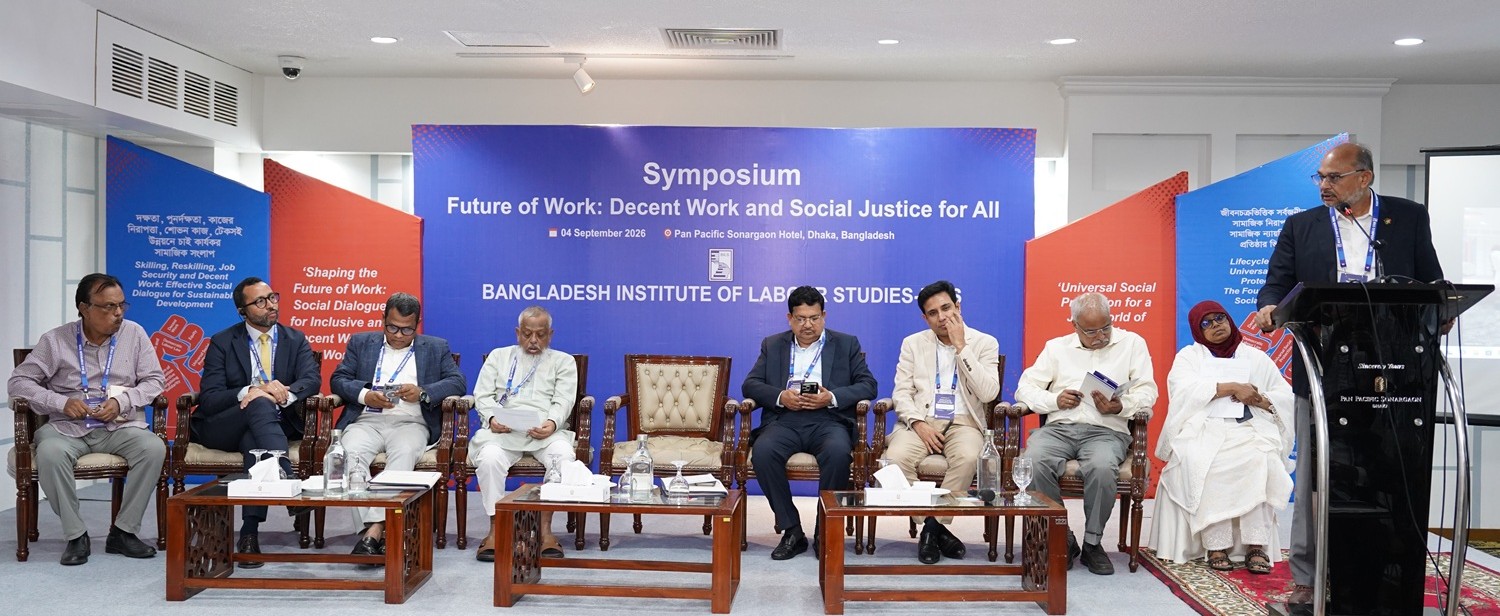
Protecting workers’ employment, social security, and a decent working environment is extremely important to face the challenges of a changing global market, technological transition, climate change, and LDC graduation. The Symposium has been organised to bring policymakers, worker representatives, employers, and development partners onto one platform and set actions for decent work and social security. It took place on Friday, 4 September 2026, at the Pan Pacific Sonargaon Hotel in the capital. At the symposium, speakers stressed collecting data and giving advance notice to workers of factory closures, bringing informal sector workers under social security coverage, and speeding up industrialisation by increasing women’s participation. Dr. Rashed Al Mahmud Titumir, Adviser to the Prime Minister on Finance and Planning Ministry Affairs, was the chief guest at the inaugural session. The special guests were Advocate Shamsur Rahman Shimul Biswas, Member of Parliament and Central Coordinating Advocate of the Bangladesh Jatiyatabadi Sramik Dal; Md. Abdur Rahim, Additional Secretary, Ministry of Labour; Max Tunon, Country Director, ILO Bangladesh; Md. Saidul Islam, Additional Secretary General, Bangladesh Employers’ Federation; and Mesbahuddin Ahmed, Senior Joint Convener, Workers’ Rights National Advocacy Alliance. BILS Chairman Md. Mojibur Rahman Bhuiyan presided over the event, and BILS Executive Director Syed Sultan Uddin Ahmmed delivered the welcome speech.
Identifying the existing and emerging challenges in the world of work, the speakers stressed their belief in moving toward effective solutions through coordinated discussion and participation of government, employers and workers. They emphasised a skilled workforce, women’s participation and strong social security in making Bangladesh a modern, competitive and sustainable production economy.
Dr. Rashed Al Mahmud Titumir said that, to turn the country’s fragile economy into a strong and sustainable one, the goal must be to build a Bangladesh where everyone’s rights are ensured, and development is democratic,
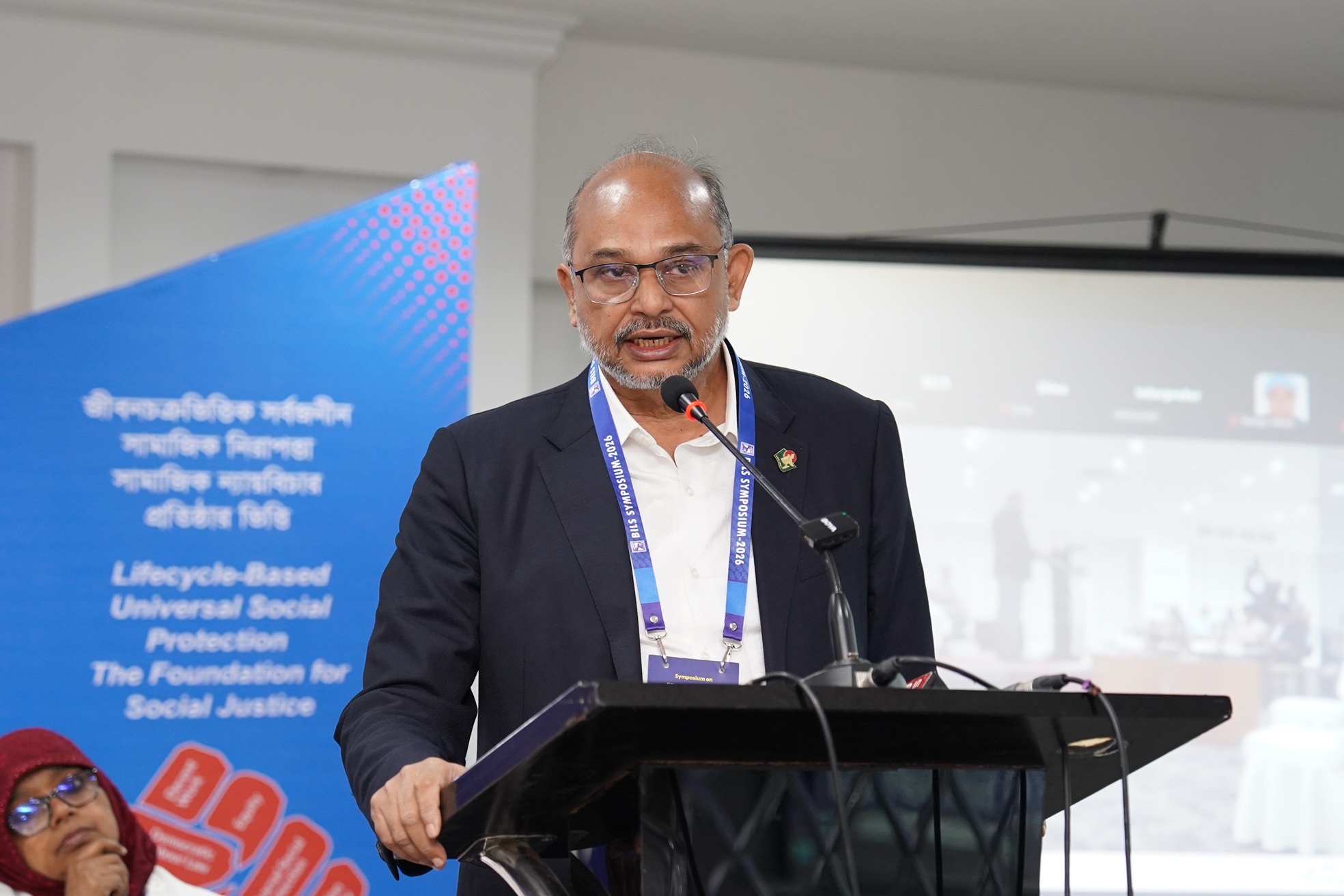
humane and welfare-oriented. He said it is important to present the country’s effective and successful initiatives at the international level, and to build investment and production frameworks that match the new reality. He stressed building Bangladesh as a modern and competitive production and industrial hub. He said the present state of the garment sector is a natural result of the policy to increase women’s participation in the formal sector, and that this is an important experience for the country. Using this experience, women’s participation must grow further, industrialisation must speed up, and Bangladesh must become a more important part of global production and supply systems by raising its production capacity.
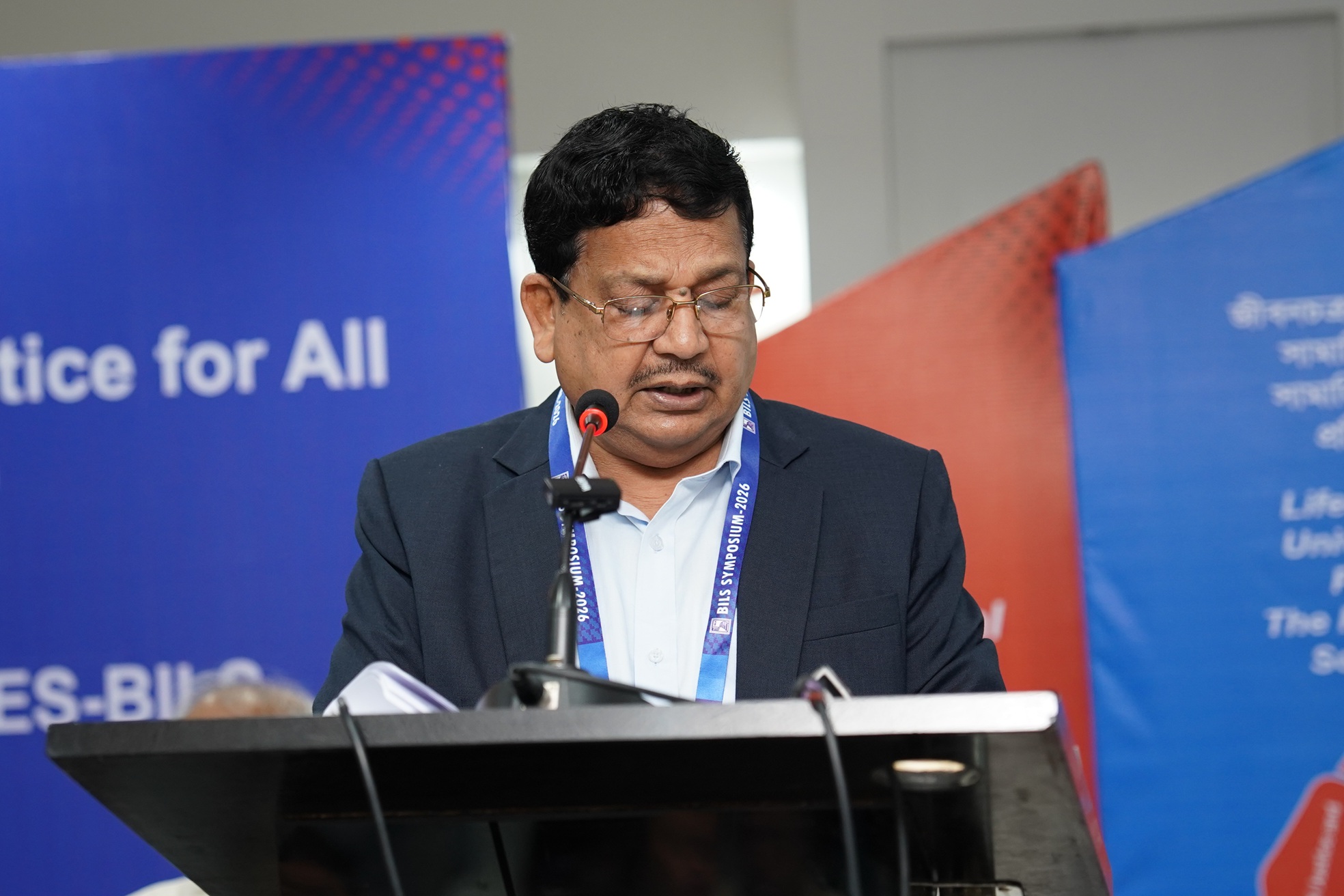 Advocate Shamsur Rahman Shimul Biswas stressed ensuring fair wages, enforcing laws and guaranteeing social security for workers, so that they can keep pace with the changing labour market.
Max Tunon, Country Director, ILO Bangladesh, said the National Social Dialogue Forum is a new initiative and will be the first tripartite forum. He said the challenges of the changing world of work call for more dialogue, engagement and cooperation among all parties.
Md. Abdur Rahim, Additional Secretary, Ministry of Labour, said today’s discussion will play an important role in setting actions to face challenges that arise from climate and technological change.
Mesbahuddin Ahmed said the way forward must rest on coordinated discussion and participation of the three parties: government, employers and workers. He said workers’ rights can be protected, and a decent working environment ensured for all, only through mutual cooperation, social dialogue and coordinated initiative.
Md. Saidul Islam said two important risks are tied to the changing labour market. One is that most workers now work in the informal sector. The other is the process of graduating from the LDC category. He said Bangladesh must ensure a meaningful and just graduation at this stage. In this regard, he called the tripartite effort of employers, workers and government the most important.
Syed Sultan Uddin Ahmmed said the Labour Reform Commission has recommended life-cycle-based social security. He said everyone must work together to build an inclusive and just state.
BILS has worked on research and advocacy in Bangladesh’ labour sector for a long time. The symposium took place with the participation of representatives of government, employer organisations, workers’ organisations, international development partners, research institutions, and civil society. It focused on two topics: “The Role of Social Dialogue in Building an Inclusive and Decent World of Work” and “Universal Social Protection for a Just World of Work: Challenges and Preparedness.”